
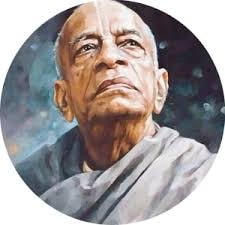
Sunday Gita Class Summary – 05/02/2021
Bhagavad Gita: Chapter 2: Contents of the Gita Summarized: Text 14
mātrā-sparśās tu kaunteya śītoṣṇa-sukha-duḥkha-dāḥ āgamāpāyino 'nityās tāṁs titikṣasva bhārata
Synonyms: mātrā-sparśāḥ — sensory perception; tu — only; kaunteya — O son of Kuntī; śīta — winter; uṣṇa — summer; sukha — happiness; duḥkha — and pain; dāḥ — giving; āgama — appearing; apāyinaḥ — disappearing; anityāḥ — nonpermanent; tān — all of them; titikṣasva — just try to tolerate; bhārata — O descendant of the Bharata dynasty.
Translation: O son of Kuntī, the nonpermanent appearance of happiness and distress, and their disappearance in due course, are like the appearance and disappearance of winter and summer seasons. They arise from sense perception, O scion of Bharata, and one must learn to tolerate them without being disturbed.
This verse teaches one of the most important lessons for spiritual life: equanimity in the face of the dualities of material existence. Heat and cold, happiness and distress — these are inevitable in material life. The key is not to be disturbed by them.
Srila Prabhupada explains that a devotee who is fixed in Krishna consciousness naturally develops this equanimity, because he understands that the real self — the soul — is beyond all material dualities. The body may experience heat and cold, but the soul is untouched.
Hare Krishna!
Your servant, Admin — ISKCON Cedar Park